


We were delighted to be featured in the following article by The Telegraph.
‘A civilised place for civilised people’: My weekend in the most Telegraph town in Britain
Few places send more letters to this newspaper than Sherborne. I went to see why this Dorset town might attract conservative sensibilities.
When you work on The Telegraph’s Letters desk, certain corners of the country quickly become familiar as hotbeds of epistolary action. The one everybody mentions is Tunbridge Wells, and it’s true that we receive plenty of correspondence (not all of it disgusted) from that fine town. But Tunbridge Wells has a rival – smaller, yet no less prolific.
Each week, missives roll in – on waiting lists, Waitrose produce, Navy recruitment, hen-keeping – from the market town of Sherborne, Dorset.
Even on paper, it’s easy to see why this place (mostly pronounced Sher-born but occasionally contracted to something like Shah-bun) might attract people with Telegraph sensibilities, or indeed cultivate them.
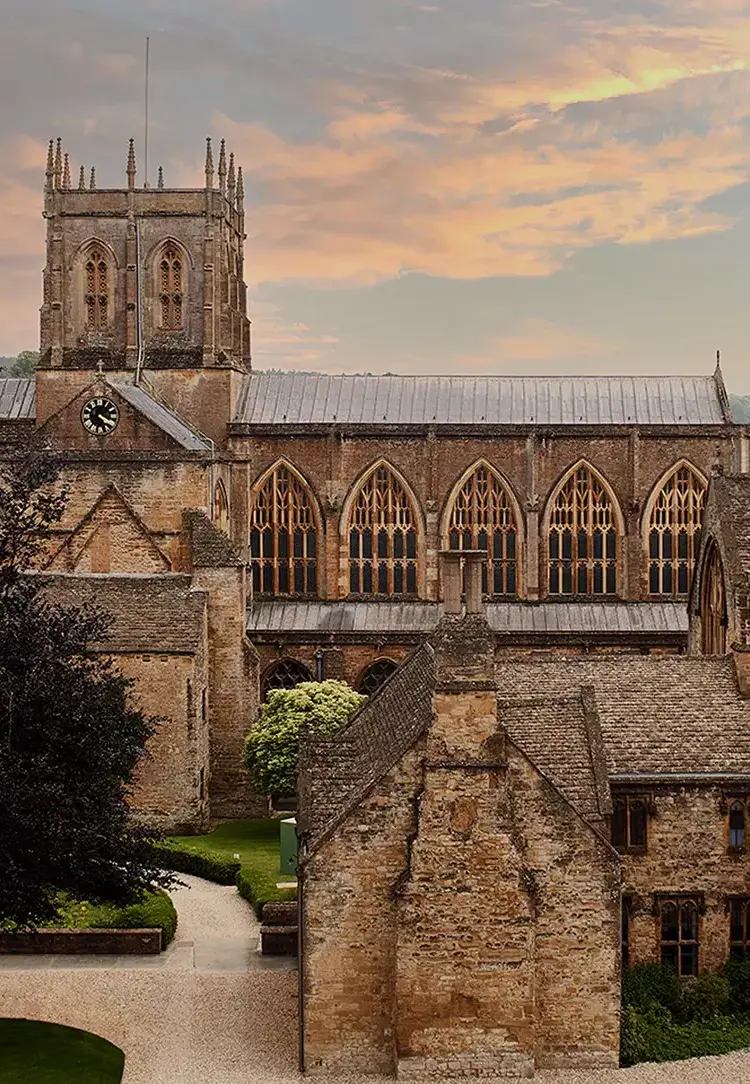
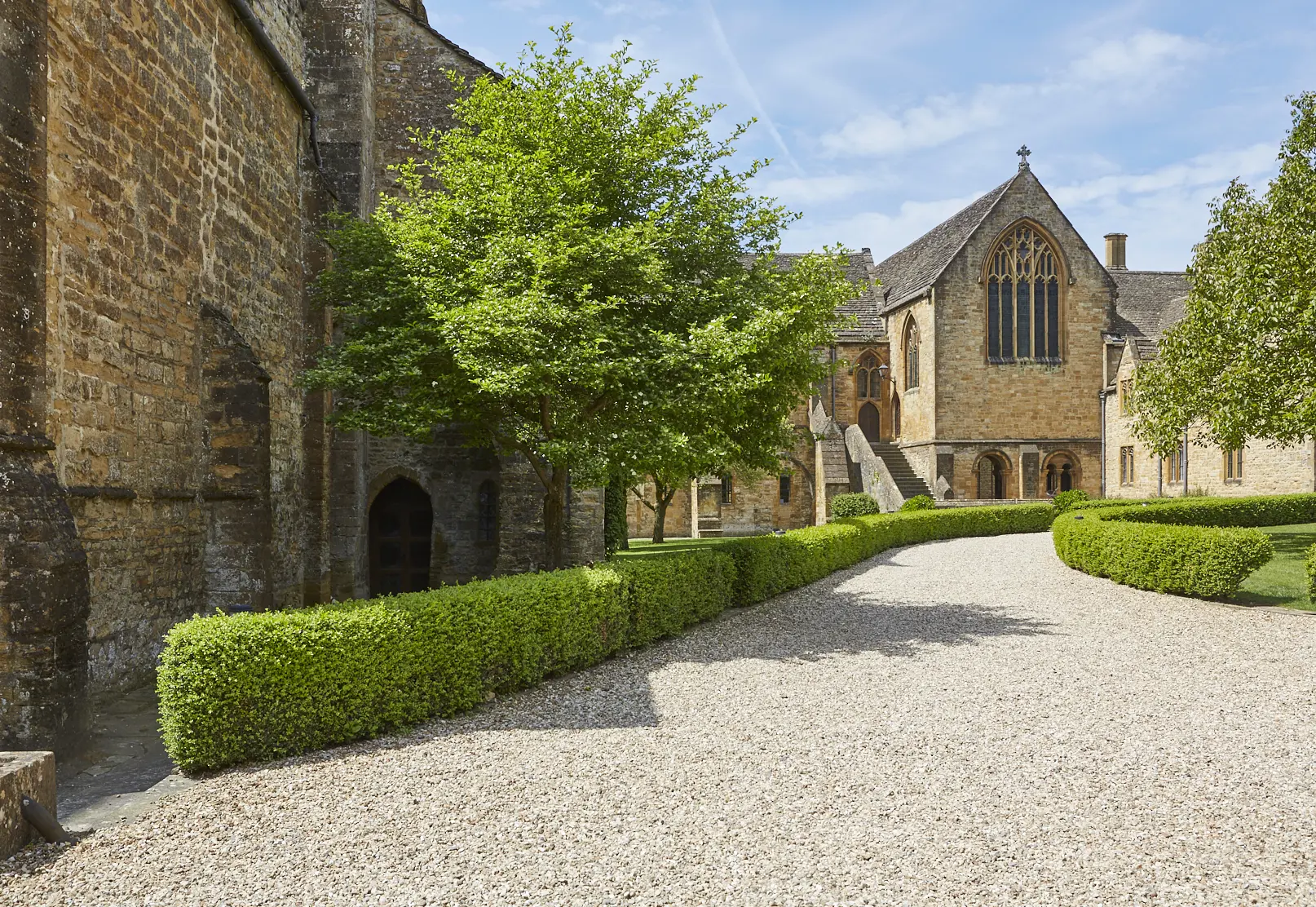
For a start, it has history – lots of it. While Tunbridge Wells is a mere 17th-century arriviste, Sherborne’s roots are in the early middle ages. The gothic Abbey, whose honey-toned tower can be glimpsed above rooftops across the town, began its life in 705 as a Saxon cathedral. After the dissolution of the monasteries, it accepted its lot as an exceptionally grand parish church. A little later, Sir Walter Raleigh built a castle on the outskirts (having abandoned his project to renovate a 12th-century one, whose ruins remain).
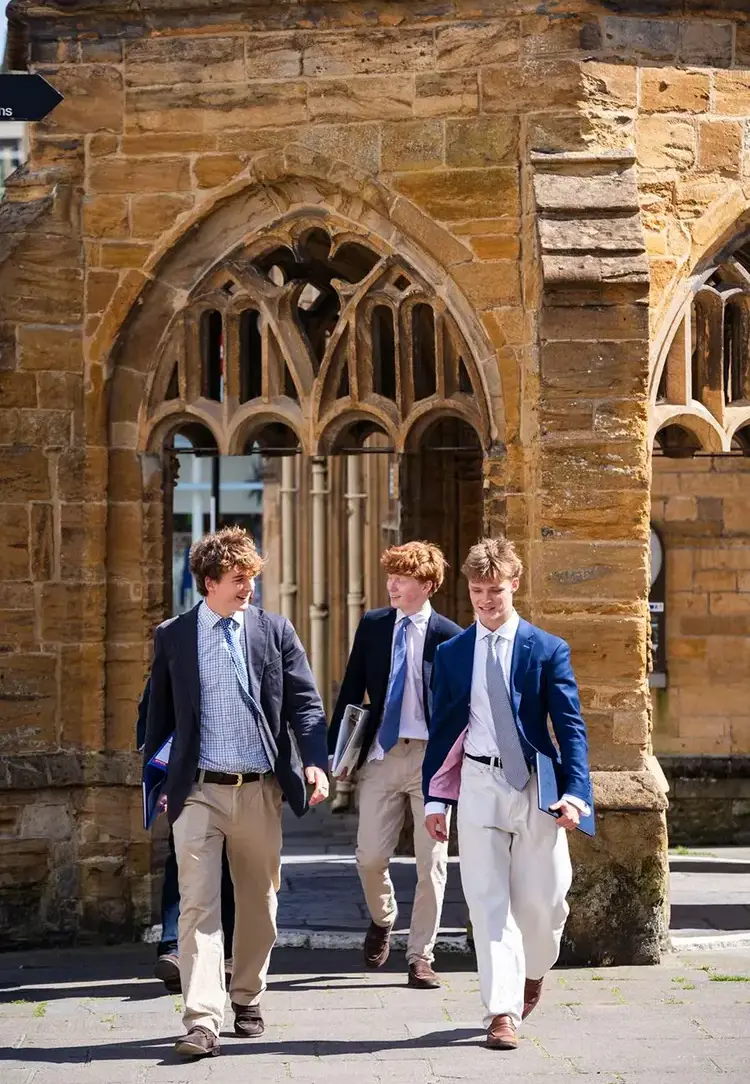
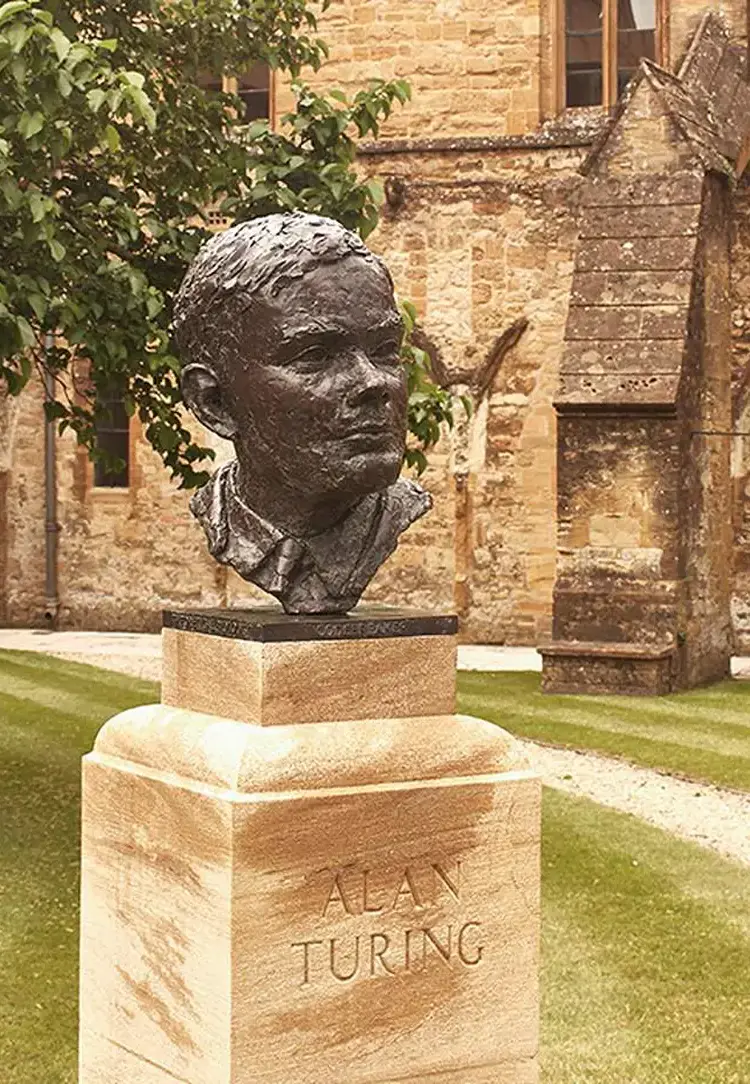
For a long time, though, Sherborne has been best known for its boys’ school, which dates back 1,300 years. Alumni include Alan Turing, Jeremy Irons and Alfred the Great, possibly.
And today? “It’s a civilised place for civilised people,” declared one resident as we waited for our flat whites in Oliver’s Coffee House at the top of Cheap Street, the main shopping spot. It was a sunny spring weekend, with a touch of real summer heat in the air, and I was visiting with my wife and daughter. I hereby confirm that we saw little to contradict this assessment.
England isn’t short of pretty, agreeable old towns, of course. Many, however, are justifiably described as “sleepy”. Sherborne bustles. It doesn’t feel as though only 10,000 people live here. We made our way down the high street, with its jumble of medieval, Tudor and Georgian buildings. Locals were out in force.
“Glass of cider?” a man in a Panama hat asked his wife – who could plausibly have been the actress Celia Imrie – as midday floated into view. Beyond them, families roamed and two couples compared notes on dachshunds (“So he’s a big miniature, then?”). My daughter is going through a serious dog phase at the moment, and she couldn’t fault Sherborne’s offering.
Independent businesses abound. Take Oxford’s Bakery. A family affair for four generations, it has been making bread at its headquarters in the neighbouring village of Alweston since 1911, and still uses equipment from the 1920s. It sells excellent sourdough and, I was told, the only mince pies anyone wants for Christmas in these parts.
There’s also a staggering number of antique shops (apparently there used to be more), including the Sherborne Antiques Market, which hosts about 40 dealers. At the entrance we encountered a stuffed-badger toilet-roll holder, proffering paper with the Prime Minister’s face on it.
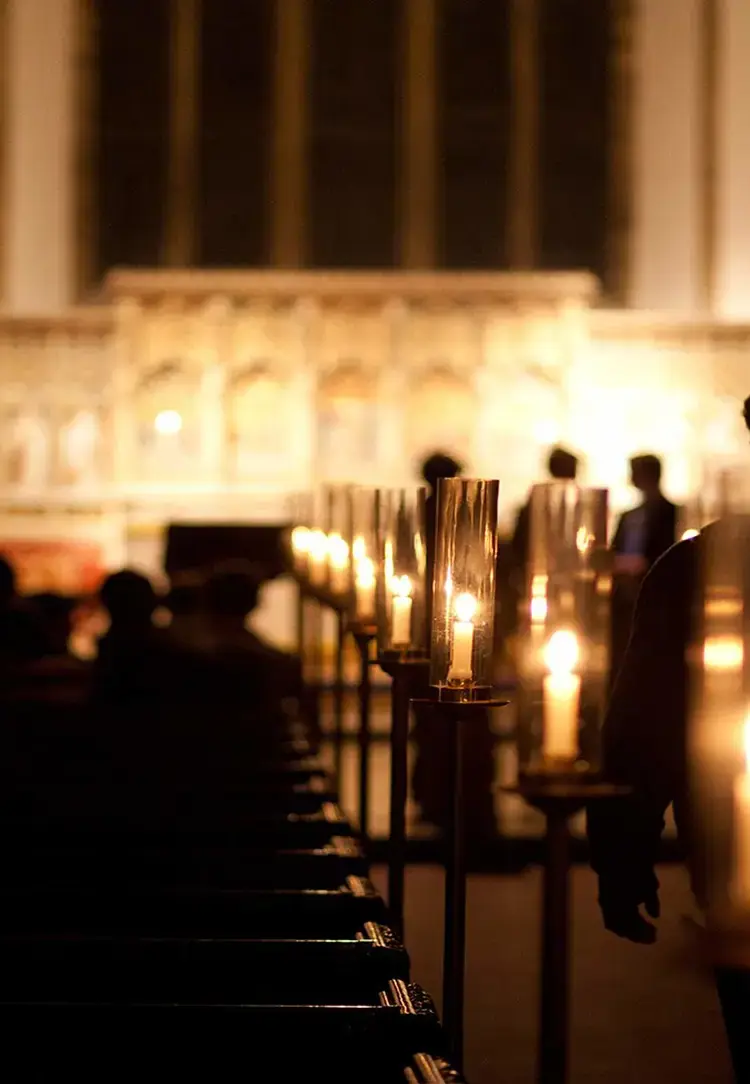
Pubs are nearly as plentiful. We stopped at the Digby Tap, which takes its name from the Digby family, who have occupied Sherborne Castle since the 17th century and still own tracts of land in the area. Still, even a revolutionary Marxist might concede that there appears to be a certain noblesse oblige on display: two pints came to £10. After that we ambled over to the Abbey, risking a lifetime ban by taking our daughter in. High, fan-vaulted ceilings and vocal toddlers don’t typically mix, but she was enchanted by the stained-glass windows.
Roger White, architectural historian and Letters page regular, moved to Sherborne with his partner a decade ago. “We haven’t regretted it for a minute,” he tells me, and my impression over the weekend was that people really do love living here. He adds that the town “probably has more than its fair share of retired military folk, and it is said that for new arrivals, acceptance can be accelerated if you play bridge or join the Abbey congregation”. “I have done neither, but there are plenty of societies to join as an alternative – the Historical Society is flourishing at the moment.”
Something else is happening, too. Sherborne is only two hours from London on the train – ideal, in other words, for city-dwellers seeking a West Country fix. Quietly, and without the aid of excitable influencers, the town is turning into more of a destination too.
On Saturday evening we went to The Clockspire in the village of Milborne Port, a 10-minute drive away through scenes of almost parodic bucolia: soft fields, a polleny haze in the air, shadows sharpening across the hedgerows. The restaurant opened in 2019, in what was once a Victorian schoolhouse. It’s a wonderful, slightly Scandi-inflected space, with high beamed ceilings and light pouring in, and it offers cooking to match, from the chicken terrine adorned with ribbons of asparagus and wild garlic to the rich strawberry curd cleverly offset by sorrel sorbet.
I don’t see Sherborne as “the next Bruton”, just across the border in Somerset, in part because Bruton suddenly became a big deal without anything interesting having happened there before. Still, Sherborne’s arts centre, unconfusingly named The Sherborne, is one of several attractions that invites comparison. Set in a splendid Georgian house, it has a touch of Hauser & Wirth (Bruton’s own art gallery) about it, with a mixture of exhibitions and events (impromptu harpsichord recitals at the moment, which is my idea of fun), plus a cool restaurant and landscaped gardens.
Just before we left, I spoke to Ali McKinnon and Rosy Monaghan, both long-time residents, outside Ogilvy & More, a new-ish wine bar and artisan food shop. I asked them about Sherborne’s slowly evolving identity. Rosy noted that, while the town remains a bastion of more traditional cultural pursuits (she’s a member of the chamber choir), “hubs are starting to evolve that are slightly more trendy”. Ali also felt that it was attracting a younger crowd (not that it’s the easiest place to start out, with the average property price around the £400,000 mark). “My children have come back,” she added. “I don’t think they want to leave.”
I wasn’t exactly itching to head off either. Another pleasantly affordable pint at the Digby Tap would have been nice. But I’ll be back.