


Careers & Pathways Business Breakfast
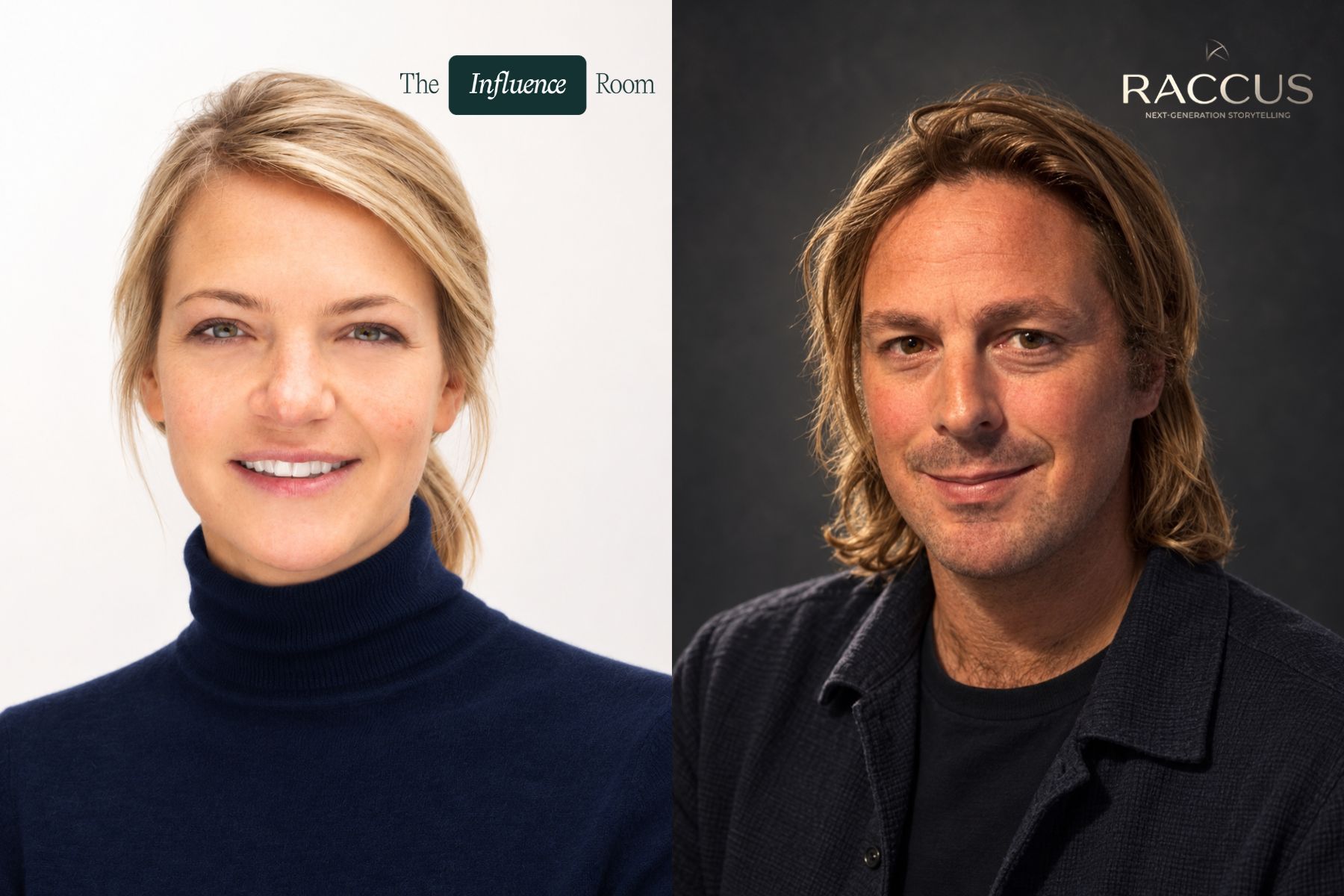
What does a creative career look like when AI can generate an image, a voice or a film clip in seconds? At this month's Careers & Pathways Business Breakfast, sixth formers put that question to two experts leading the way: Tanya Hamilton-Smith, co-founder of influencer marketing platform The Influence Room, and Nick Southwell, a filmmaker who has spent 20 years making films for global brands and has founded his own studio Raccus, working at the frontier of AI filmmaking.
Tanya Hamilton-Smith: from advertising to influencer tech
Tanya spent ten years in advertising and loved it for the mix of solving business problems and making creative work. She worked on brands from Andrex to banking, with plenty of international travel along the way.
After having children, she left advertising and fell into media tech. The spark for her business came from her co-founder, Alex Payne, a sports broadcaster. Alex was sent a Star Wars PR box, tweeted about it, and got 12 likes. The audience was completely wrong. Brands were spending money sending products to people who didn't care about them.
The insight was simple: brands needed a way to find creators who genuinely love their product. The Influence Room does exactly that. Creators bid to work with brands they already love, in exchange for products and content. The company has worked with brands including Adidas, easyJet and Charlotte Tilbury, and has found something slightly contrarian. Creators who choose a brand they already love often do better than paid partnerships.
Tanya and her co-founder raised millions to build the marketplace, and the business is now focused on automation and using AI to work more efficiently.
Tanya was asked what the hardest part was?
"The people. With a team of 50+ there are so many different ways individuals respond to challenges and opportunities - constantly adapting is the biggest challenge!"
Nick Southwell: skiing, filmmaking and AI
Nick left Sherborne and became a sponsored competitive skier for ten years and kept his passion alive by working on the side: lecturing, organising events and making ski films. Filmmaking started as a practical way to promote himself and attract sponsors. It then became a career.
He came back to England at 30 and spent 14 years at Jaguar Land Rover, rising to run post-production and directing and editing large-scale TV campaigns and social content. Across his career he has worked on everything from big automotive campaigns and live-action shoots to virtual production and mixed reality.
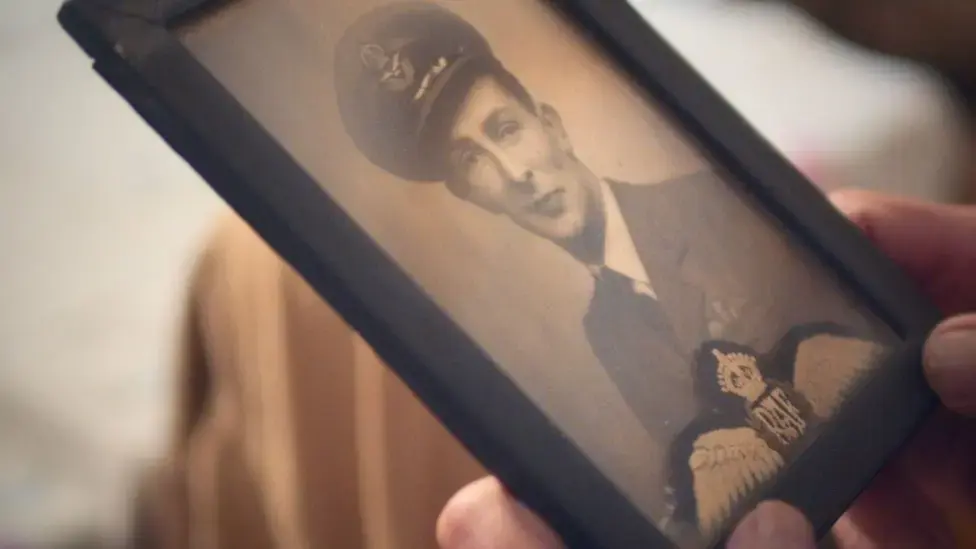
He has started his own studio, Raccus, and his focus is AI filmmaking. His first short film, 58 Miles, tells the story of the Carpathia racing through the dark towards the Titanic. He made it in two weeks. It has won an international award and drawn around 300,000 views on YouTube. A second film, about his grandfather in the war, took two weeks and got him on the red sofa at BBC Points West. It has since led to a commission for Remembrance content.
How an AI film actually gets made
Pupils were surprised by how much of Nick's process is human. Every image in 58 Miles was AI-generated, but every creative choice was his:
- He writes the idea and script from scratch. No AI in the storytelling.
- He art-directs every still image, then animates them, blending in 3D to get precise camera movement. Higgsfield is his tool for generating clips.
- He edits entirely by hand. Every cut, colour grade and sound effect is his own.
He often mixes AI footage with traditional filming. The grandfather film includes a real interview with his father.
Nick doesn't see AI as a threat to his work.
"When everyone can do everything, the people who add something of their own rise straight to the top. Creativity, hard work and taste count for more now, not less."
Five lessons for sixth formers
- Your path doesn't need to be planned. Both Tanya and Nick found their way by exploring, trying new things.
- Look for the mismatch. The Influence Room started with 12 likes on a tweet. Small frustrations often point to big opportunities.
- Authenticity outperforms money. People who genuinely love something make better advocates than people who are paid to say they do.
- The tools will keep changing. Taste won't. AI makes it easier to make things. It makes knowing what's worth making more valuable.
- Make things and put them out there. Be brave. Failure teaches you more than success.
Our thanks to Tanya and Nick for a generous, creative and forward-looking start to the day!
November 2026
Where Next?