






Artificial Intelligence and the New Pastoral Challenge in Boarding Schools
An article by Robert Cousin, Teacher of Economics and Business, as published by the BSA.
Artificial intelligence is rapidly becoming embedded in the lives of young people. AI chatbots assist with homework, algorithms shape social interactions, and image-generation tools can create convincing digital content in seconds. While much attention has understandably focused on the educational opportunities AI presents, boarding schools are increasingly encountering a different conversation, one centred around wellbeing, safeguarding and pastoral care.
"At Sherborne, this has prompted a broader consideration of how we prepare young people for an environment in which this technology is incresingly present in almost every aspect of their lives.”
The response is not simply to restrict access but to help pupils understand its impact, develop healthy habits and make thoughtful decisions about how they use it.
Boarding schools occupy a unique position in adolescent life. They are communities where education and pastoral care are inseparable, allowing staff to observe not only academic progress but also the everyday experiences that shape young people's development. The strength of boarding has always rested on relationships and continuity of care. As AI becomes more prevalent, those strengths are becoming increasingly important.
Unlike previous forms of technology, AI often mimics human interaction. It responds conversationally, adapts to users and can appear emotionally intuitive. For adolescents who are still developing socially and emotionally, this creates new opportunities but also new vulnerabilities.
A growing concern is the rise of AI-generated deepfakes and manipulated imagery. Tools that once required specialist expertise are now widely available and increasingly sophisticated. Fabricated images can spread rapidly through peer networks and have significant emotional consequences for those involved. The impact can be immediate and deeply personal.
This is one reason why AI education and specific AI training are becoming an increasingly important part of the pastoral landscape at Sherborne. Pupils need to understand not only how these technologies work, but also the consequences of using them. Questions around consent, authenticity, manipulation and responsibility are no longer issues that can be confined to traditional online safety education.
The same is true of the quieter challenge of emotional dependency on AI itself. Generative AI systems are designed to be responsive, patient and available at any time. For pupils who may be feeling vulnerable, these interactions may feel reassuring. There is an important distinction, however, between comfort and care. AI can simulate empathy, but it cannot provide the depth, accountability or reciprocity that characterise healthy human relationships.
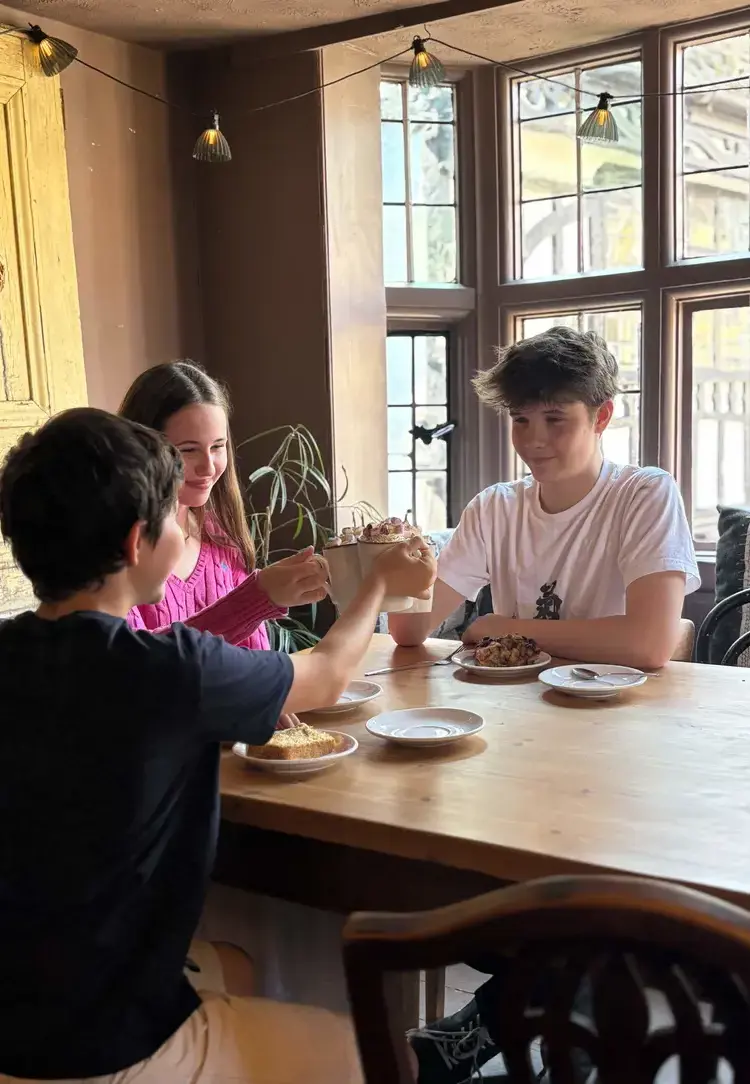
This is where the boarding environment at Sherborne has a particular strength. Pupils are surrounded by opportunities for human connection and by adults who can get to know them well. Conversations after activities, evening check-ins, tutor meetings, shared meals and the ordinary interactions of boarding life all provide opportunities to notice when a young person may need support.
At Sherborne, this emphasis on relationships sits alongside a growing focus on the wider habits that contribute to wellbeing. The School has been looking carefully at, and monitoring, areas such as sleep, nutrition and screen time, recognising that these seemingly straightforward aspects of daily life can have a significant effect on how young people feel and function. The aim is to help pupils develop healthy habits so that as they become increasingly independent, they also understand the consequences of their own choices.
The same principle informs the School's approach to personal technology. At Sherborne, pupils do not have access to mobile phones overnight or during the academic school day. The purpose is not simply to reduce screen time. Late-night technology use can affect sleep and can also leave young people exposed to social pressures, online interactions and content at a time when they may be tired or emotionally vulnerable. Where technology is incorporated into lessons, pupils use school leased devices to ensure we are striking the right balance between paper based traditional learning and teaching future ready skills.
Boarding schools have always sought to balance freedom with appropriate boundaries. Alongside those boundaries, pupils need the knowledge to navigate the technology itself. We are therefore embedding AI education more widely and providing specific training to help pupils understand how AI can be used effectively and responsibly. This is important because technical confidence does not necessarily equate to emotional or ethical readiness. Young people may understand the mechanics of a technology very well while still needing support in thinking through its consequences.
This is particularly relevant when pupils are making decisions about whether AI should be used at all. When is it appropriate to ask AI for help? How much can we trust its answers? What happens when an apparently convincing image or piece of information is not genuine? What should remain a human task?
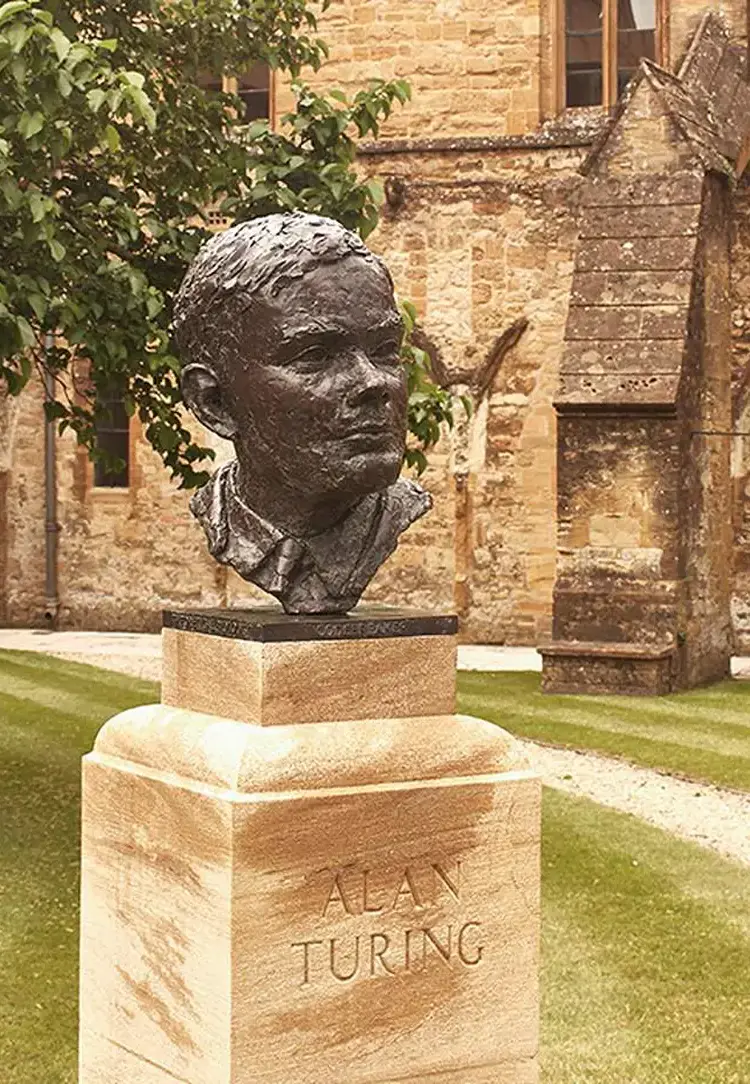
The development of ‘Turing Tutor’ (named after the famous Old Shirburnian, Alan Turing) is part of this positive approach. Rather than treating AI simply as something to be controlled, Sherborne is exploring how it can be used as a tool for learning. The Turing Tutor is designed to find gaps in a student’s knowledge, using a variety of existing data and tools, and in doing so, fill them. This holistic picture of each child helps across the board - academically, clearly; pastorally, with their own self-analysis and as a base from which tutors and boarding staff can understand them more; and as a solid body of evidence for future careers.
This balance between boundaries and agency is becoming increasingly important in pastoral care. Young people need clear expectations and appropriate limits, but they also need the opportunity to develop judgement and take responsibility for their own decisions.
In many respects, the pastoral questions raised by AI are not entirely new. Boarding schools have always helped young people navigate relationships, independence, risk awareness and self-understanding. What has changed is the environment in which these challenges unfold. The task is therefore not simply to protect young people from technology. It is to help them understand the world in which they are growing up.
For pastoral staff, one lesson remains unchanged. Safeguarding in the AI era still depends fundamentally on relationships. Technology may evolve rapidly, but young people are still most likely to seek help when they feel known, respected and free from judgement.
The role of the boarding school is therefore both protective and educational. We need to create environments in which young people can step away from technology, while also preparing them to engage with it intelligently. We need to provide boundaries, but also build independence. And we need to ensure that, however sophisticated technology becomes, it does not come at the expense of the relationships that young people need.
AI is likely to continue changing the way young people learn, communicate and experience the world. Schools will need to adapt with it. But the most effective response may not always be technological.
Robert Cousin
23 September 2026